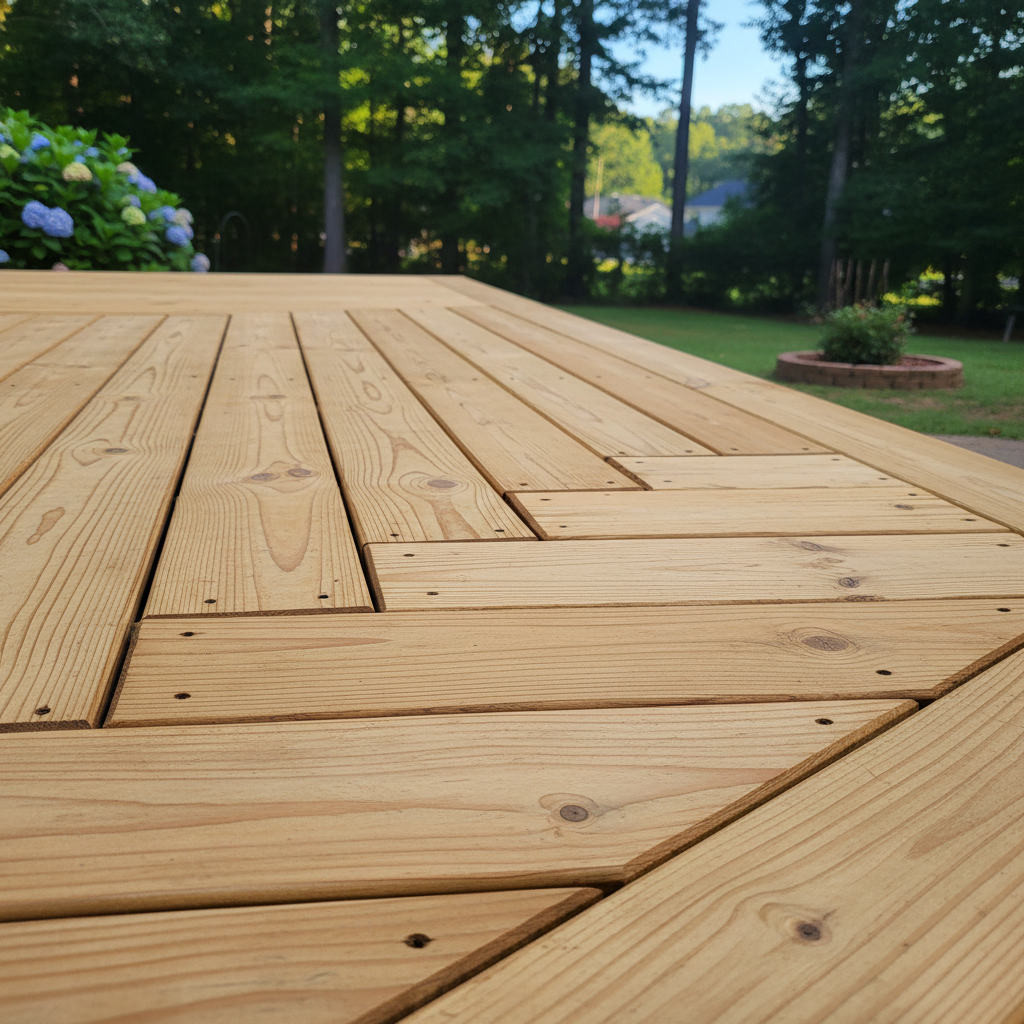
Thinking About a Wooden Deck?
So, you're dreaming of a new wooden deck, or maybe your old one's seen better days and needs some TLC. That's great! A good deck really extends your living space, gives you a spot for those BBQ nights, and honestly, just makes your backyard feel more complete. But before you grab your hammer, let's talk about what's realistic for a homeowner to do themselves versus when it's just smarter to call a pro.
I've been building and fixing decks around Columbia for years, and I've seen it all. From folks who've done an amazing job on their own to others who've gotten way over their heads. The key is knowing your limits and understanding the scope of the work.
Before You Even Start: Planning and Permits
This is probably the most crucial step, and it's definitely not something you can skip. You absolutely need to know what you're allowed to build and where. In Columbia, like most places, there are zoning laws and building codes. You can't just slap a deck anywhere you want, especially if it's close to property lines or easements. You'll need a permit for any new deck construction or significant modifications to an existing one.
Can you handle the permit process yourself? Absolutely. It involves drawing up some plans, filling out paperwork, and submitting it to the city or county building department. It can be a bit of a headache, with multiple trips and revisions, but it's totally doable if you're patient. What you'll need are detailed drawings showing dimensions, materials, footings, and how it attaches to your house. If you're not comfortable with that level of detail, or if your design is complex, that's a good sign you might want to consult with a professional deck builder or an architect for the planning phase.
Building the Deck: DIY or Pro?
Alright, let's get down to the actual construction. This is where the 'DIY vs. Pro' question really comes into play.
Small Repairs & Maintenance: This is 100% in your wheelhouse. Replacing a few rotten deck boards, power washing, re-staining or sealing, tightening loose screws – go for it! These tasks are essential for keeping your deck in good shape, especially with our humid Columbia summers and the occasional heavy rain that can really beat up wood.
Replacing Railings or Stairs: If your existing deck structure is solid, but the railings or stairs are wobbly or outdated, you can probably tackle this yourself. It requires careful measuring, cutting, and secure fastening, but it's a manageable project for someone with decent carpentry skills and the right tools. Just make sure your new railings meet local code for height and spacing – safety first!
Building a Simple, Low-Level Deck: If you're talking about a small, ground-level deck, maybe just a few inches off the ground, and it's not attached to your house, this can be a great DIY project. You'll still need to dig footings, frame it out, and lay the decking, but the structural complexity is much lower than an elevated deck.
Building an Elevated or Attached Deck: This is where I'd strongly recommend bringing in a professional, like us at Pioneer Deck Solutions. Why? Because an elevated deck attached to your house is a structural extension of your home. It needs proper ledger board attachment, correct joist sizing and spacing, robust footings that go below the frost line (which isn't super deep here in SC, but still important), and precise framing to ensure it's safe and lasts for decades. One wrong step here isn't just a cosmetic issue; it's a safety hazard. Plus, getting the permits and inspections for these types of decks is much smoother when you have a contractor who knows the ropes.
Complex Designs: Multi-level decks, decks with built-in features like benches or planters, or decks on uneven terrain – these are also best left to the pros. The engineering and construction challenges increase exponentially with complexity.
After the Build: Ongoing Care
Whether you build it yourself or hire someone, the work isn't over once the last board is down. Regular maintenance is key to protecting your investment. You'll want to clean your deck annually, inspect for any loose fasteners or damaged boards, and reapply a sealant or stain every few years. This is especially important for our treated pine decks, which are common around neighborhoods like Shandon or Forest Acres, to keep them looking good and prevent rot or insect damage.
Don't let mildew build up – it can make your deck slippery and degrade the wood. A good pressure washing (be careful not to use too high a pressure setting, or you'll damage the wood fibers) and a fresh coat of stain will do wonders.
So, take an honest look at your skills, your tools, and your time. If it's a big, complex project, or if you're not 100% confident in your abilities, don't hesitate to call a local pro. It'll save you headaches, potential costly mistakes, and ensure your deck is safe and beautiful for years to come.