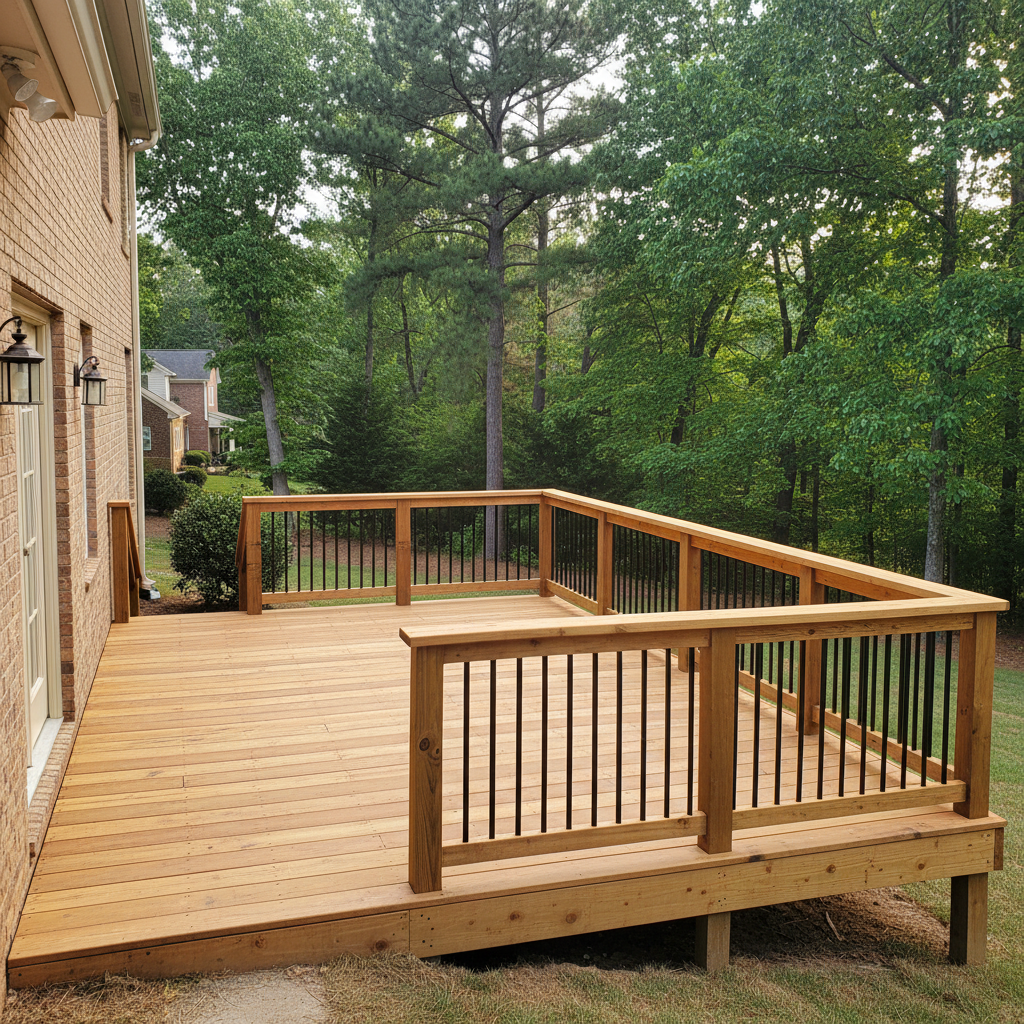
You've got a great deck, or you're planning one, and now it's time to think about railings. Seems straightforward, right? Just pick something that looks good and slap it on. Well, hold your horses. I've been building and fixing decks around Columbia for years, and I've seen some real head-scratchers when it comes to railings. Trust me, making the wrong call here can cost you a lot more than just money. It can be a safety hazard, an eyesore, or just a constant source of frustration.
Ignoring Local Building Codes and HOA Rules
This is probably the biggest mistake I see, and it's a huge one. Folks get excited about a certain look they saw online or at a friend's house out of state, and they don't even think about what's required right here in Richland County. Every deck, especially if it's over 30 inches off the ground, needs railings that meet specific height and spacing requirements. You can't just wing it. For example, the gaps between balusters can't be big enough for a 4-inch sphere to pass through – that's for kid safety. I've seen beautiful historic homes near the Congaree Vista where homeowners wanted a certain open-concept railing, only to find out their HOA had strict aesthetic guidelines, or the city inspector shut them down for not meeting code. Always, always, always check your local building department's requirements and your HOA's covenants BEFORE you buy materials or hire anyone.
Choosing the Wrong Material for Our Climate
Columbia, SC, has some brutal weather, doesn't it? We get scorching summers with high humidity, then occasional freezes, and plenty of rain. That's tough on outdoor materials. I've seen people go for cheap wood railings, thinking they'll save a buck, only to have them rot, warp, or splinter within a few years. Especially with the red clay soil we have, moisture can really sit and wreak havoc on untreated wood posts. You'll spend more time and money on maintenance, painting, or even replacing sections than you ever saved upfront. Consider materials like aluminum, composite, or even vinyl. They might have a higher initial cost, but they stand up to our climate much better and require way less upkeep. Stainless steel cable railings are popular, but make sure the hardware is truly marine-grade to resist rust in our humid environment.
Prioritizing Looks Over Safety and Function
Of course, you want your deck to look good. But a railing's primary job isn't just aesthetics; it's safety. I've had clients who fell in love with a super minimalist design that, frankly, wasn't sturdy enough or didn't provide adequate handholds. Or they picked a dark material that absorbed so much heat in the summer sun you couldn't even touch it. Think about who uses your deck. Do you have small children or pets? Elderly family members? Your railing needs to be secure, stable, and comfortable to use. Don't sacrifice a solid grasp for a trendy, flimsy design. A good railing should feel like a dependable extension of your deck, not just an afterthought.
DIYing Complex Railing Systems Without Experience
I get it. You're handy, you like a project, and you want to save money. For some simple repairs or basic picket railings, DIY might be fine. But modern railing systems, especially those with glass panels, cable infills, or intricate metalwork, require precision and specific tools. I've been called in to fix countless DIY railing jobs where the posts weren't plumb, the measurements were off, or the hardware wasn't installed correctly. Not only does it look bad, but it's a serious safety risk. If you're not absolutely confident in your skills, or if the system is anything beyond basic, call a professional. It's an investment in your home's safety and value, and it'll save you headaches (and potentially hospital bills) down the road.
Hiring the Cheapest Bid Without Vetting the Contractor
This is a classic. You get three bids, and one is significantly lower than the others. Your eyes light up, and you jump on it. Slow down. While it's great to save money, a rock-bottom bid for a deck railing project often means corners are being cut. Maybe they're using inferior materials, don't have proper insurance, or lack the experience to do the job right. Always ask for references, check their licensing, and look at their past work. A reputable contractor, like us at Pioneer Deck Solutions, will be transparent about costs, materials, and timelines. We'll also be properly insured, which protects you if something goes wrong. Don't be afraid to ask questions about their process and what kind of warranty they offer. Your deck railing isn't just a decorative piece; it's a critical safety component of your outdoor living space. Make sure you're trusting it to someone who knows what they're doing.
So, before you make any final decisions on your deck railing, take a breath. Do your homework, ask the right questions, and prioritize safety and durability over just the initial price tag. You'll be glad you did when you're enjoying your deck for years to come, without any regrets.